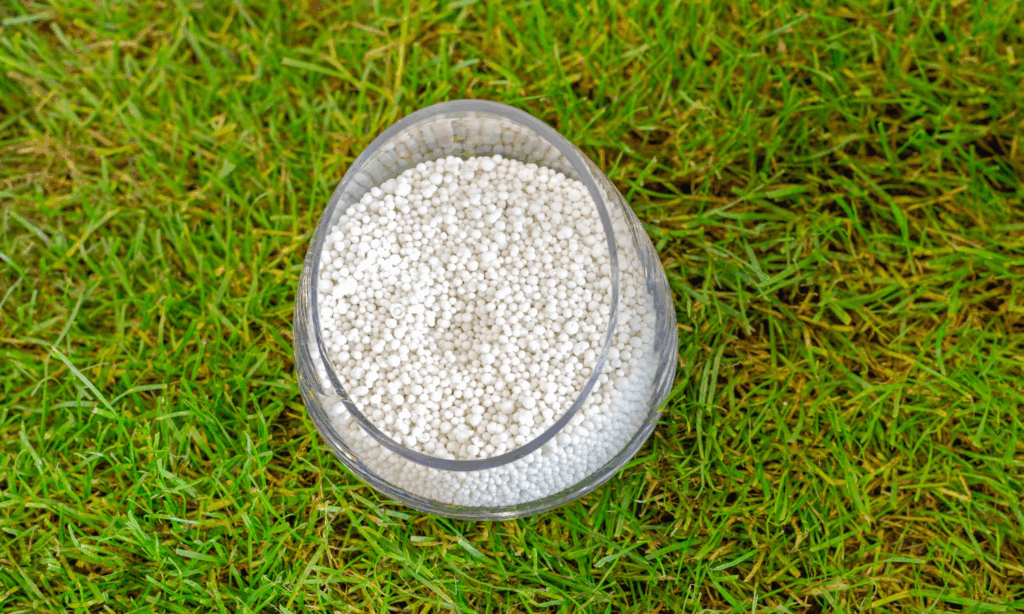
Fertilizers
Urea
Urea is the most concentrated solid nitrogen fertilizer, with 46% N composition. This is the most concentrated solid nitrogen fertilizer. Urea nitrogen enters the plant either directly, or in the form of ammonium or nitrate after urea degradation by soil microbes. The key to most efficiently using urea is to incorporate it into the soil during a tillage operation. You can also blend it into the soil with irrigation water. As little as 0.25 inches of rainfall is sufficient to blend urea deep enough into the soil so ammonia losses won’t occur.
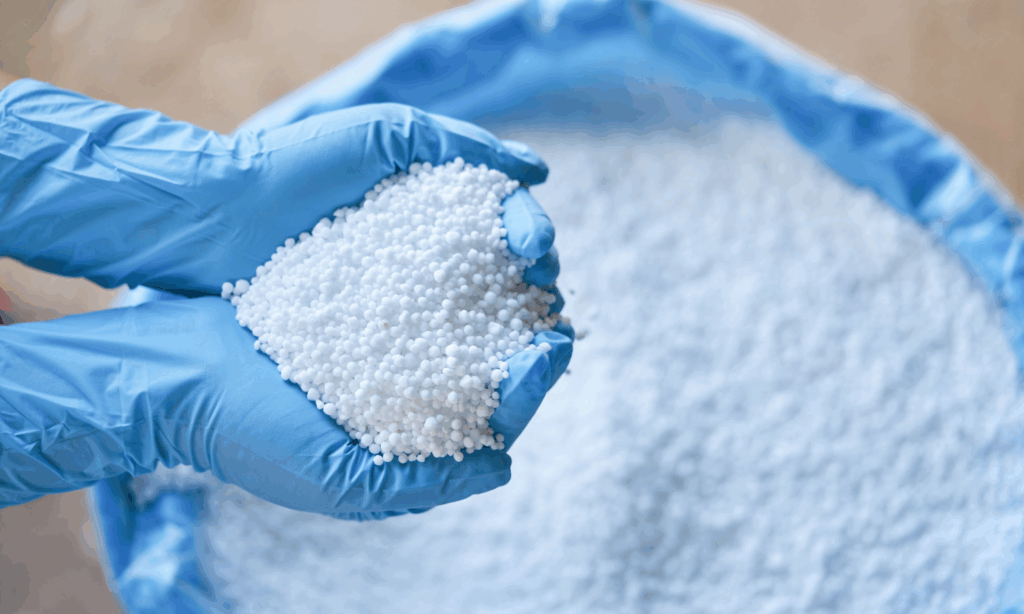
Di-Ammonium Phosphate (DAP)
Most concentrated phosphate-based fertilizer. It is perfect for any agriculture crop to provide full phosphorus nutrition throughout crop growth and development, as well as a starter dose of nitrogen and low sulphur. It can be applied in autumn for tilling and in spring during sowing, as well as for pre-sowing cultivation. Dissolving in soil, it provides temporary alkalization of pH of the soil solution around the fertilizer granule, thus stimulating better uptake of phosphorus from the fertilizers on acid soils. Fertilizer’s sulphur also contributes to the better intake of nitrogen and phosphorus by plants.
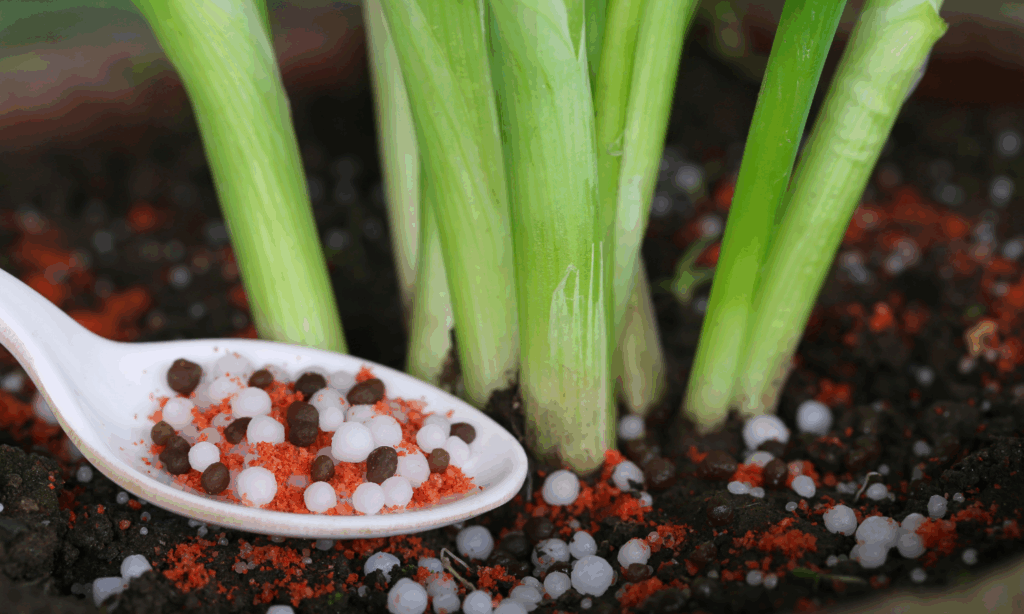
Mono-Ammonium Phosphate (MAP)
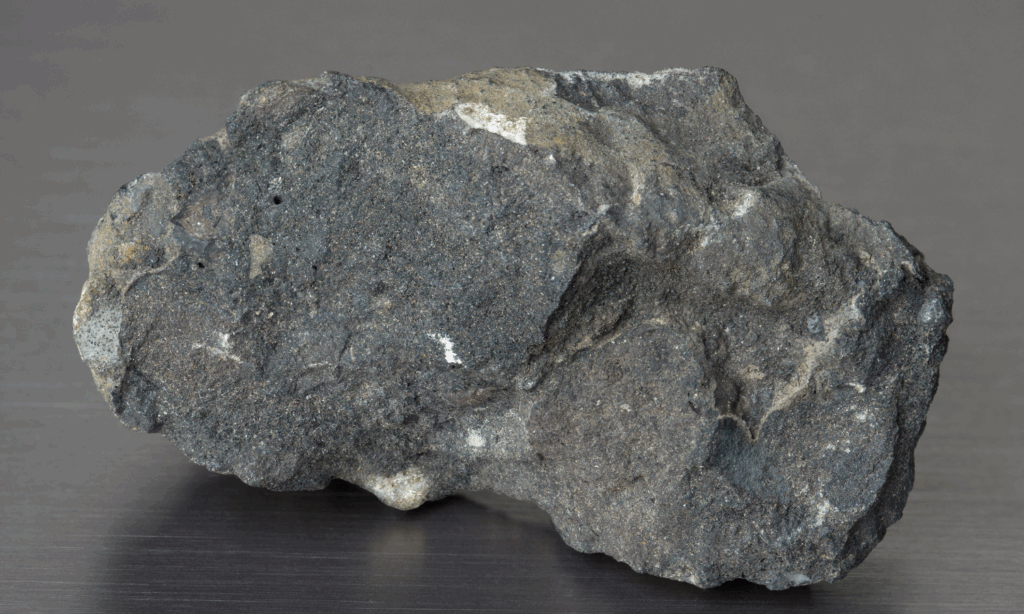
Triple Super Phosphate (TSP)
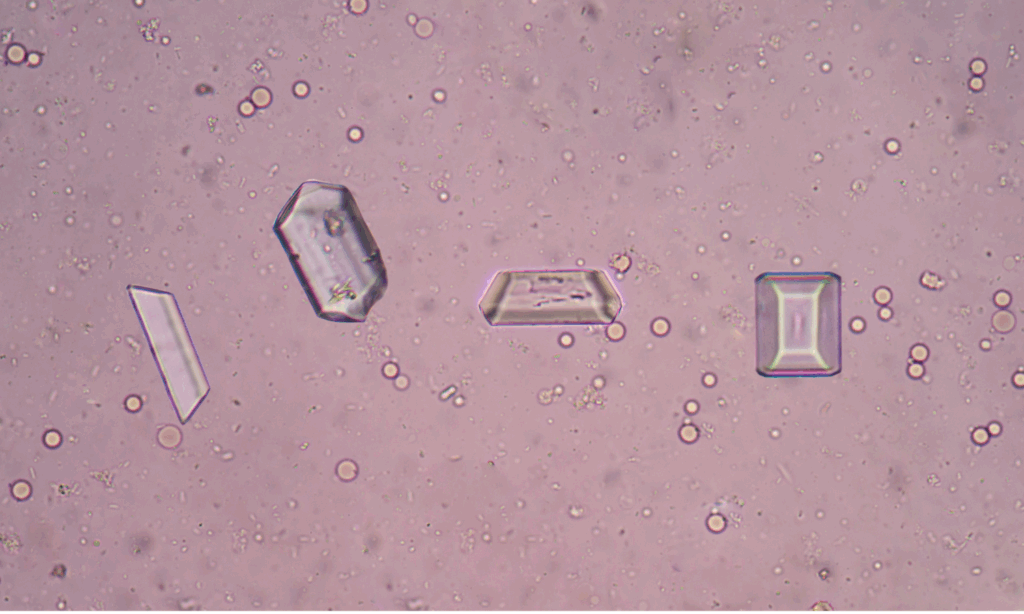
Phosphate Rock
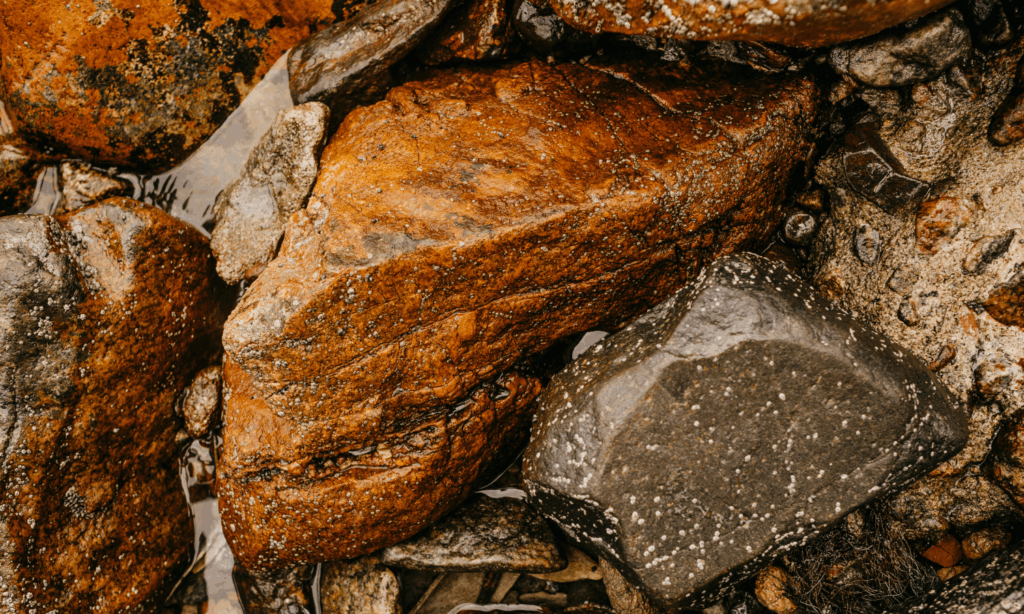
Nitro-phosphate (NP)
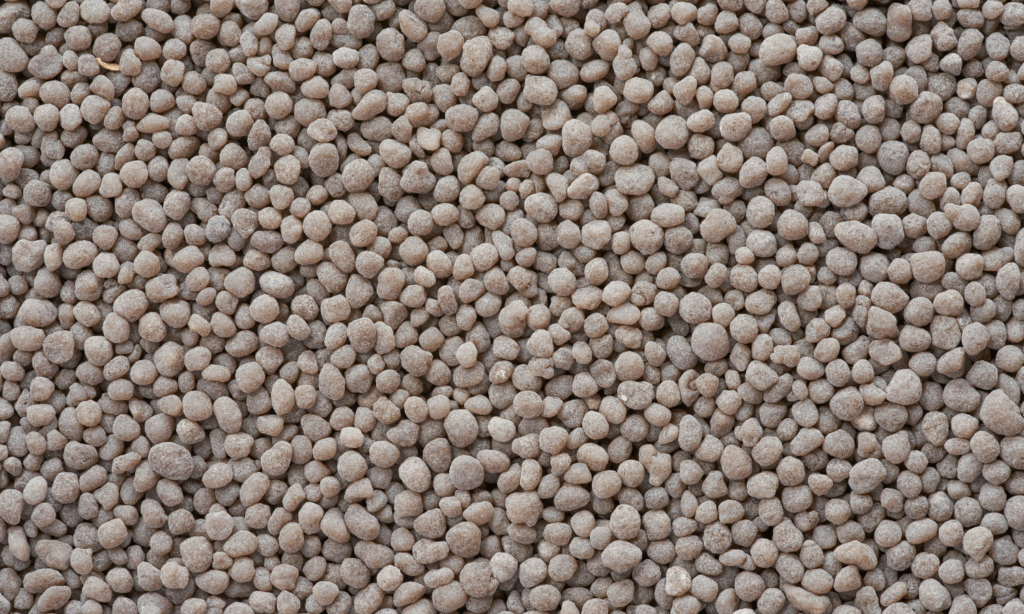
Muriate of potash (MOP)
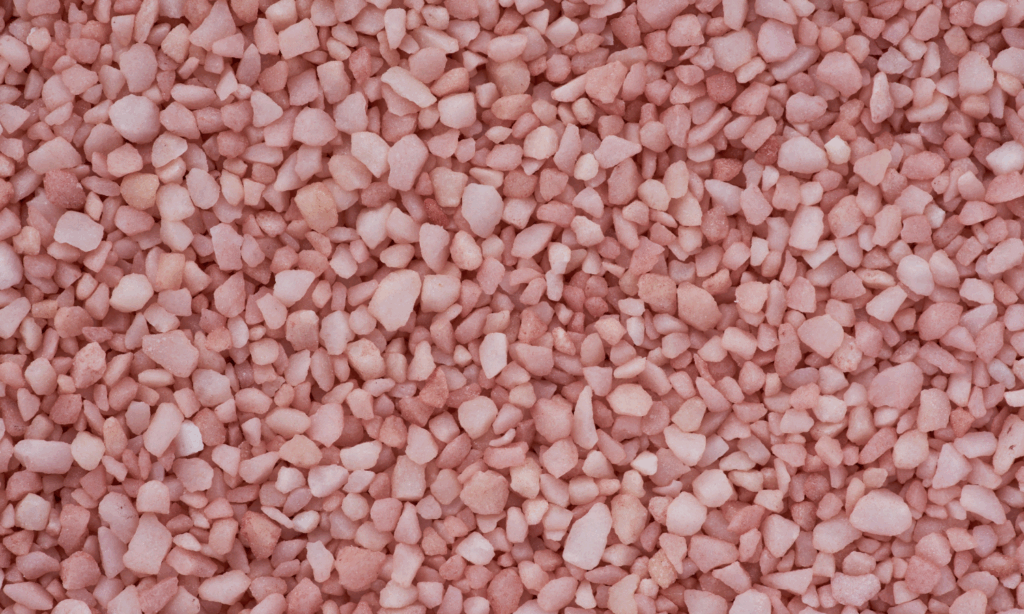
Nitrate of Potash (NOP)
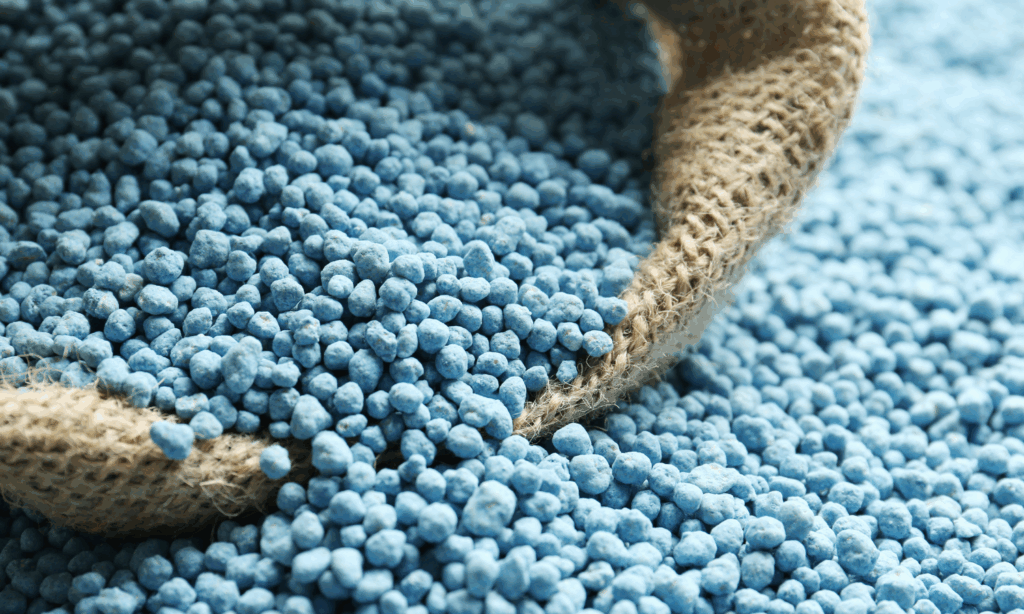
Sulphate of Potash (SOP)
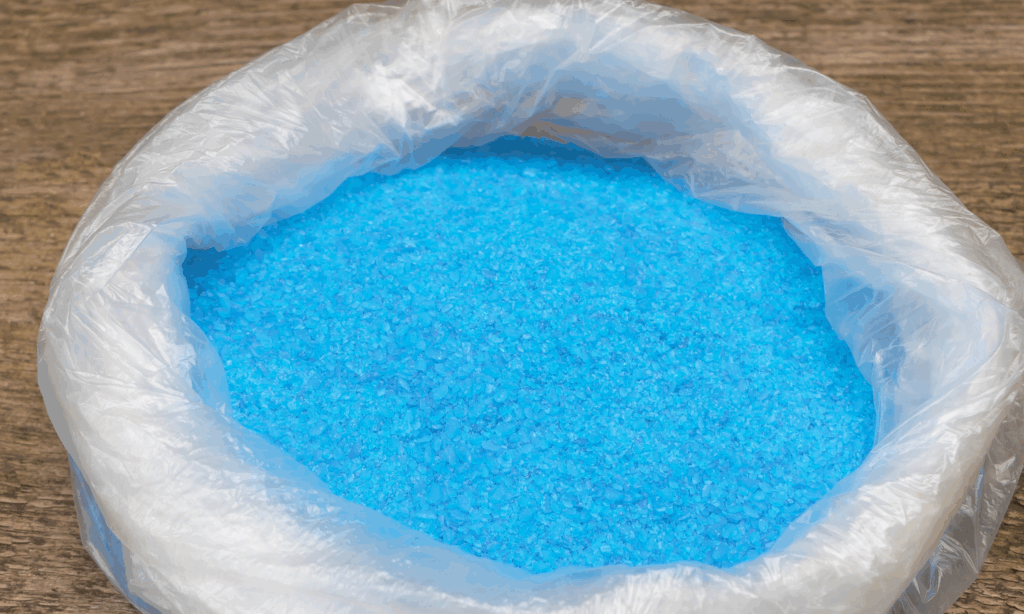
Nitrogen Phosphorous Potassium (NPK)
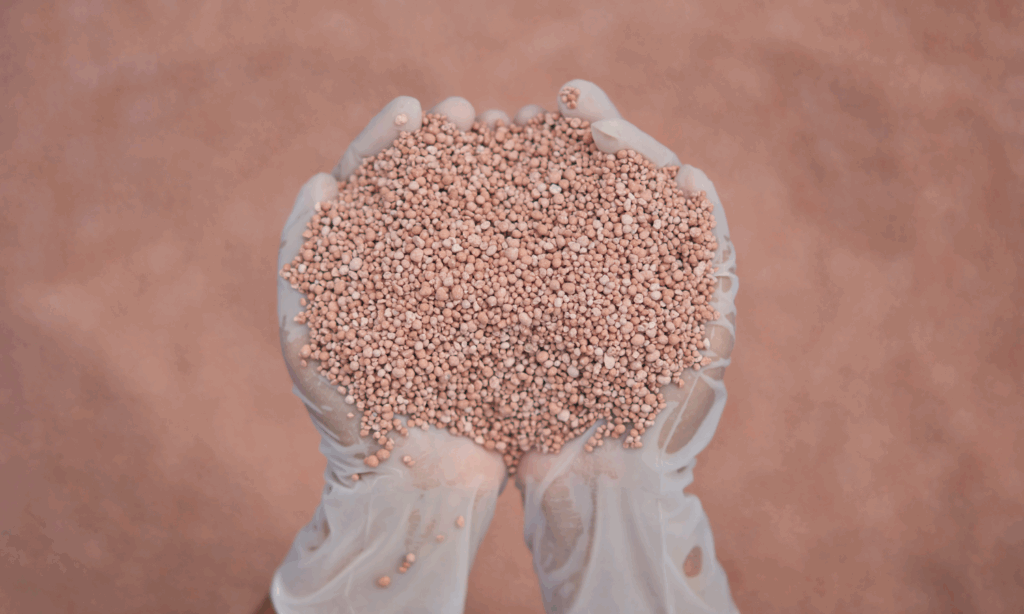
Ammonium Sulphate
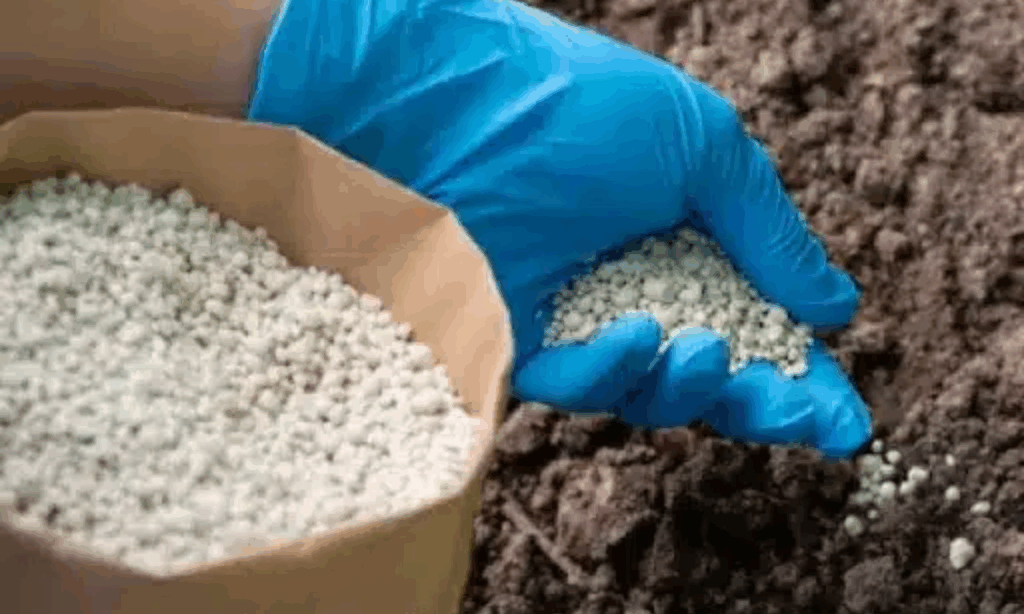
Sulphur
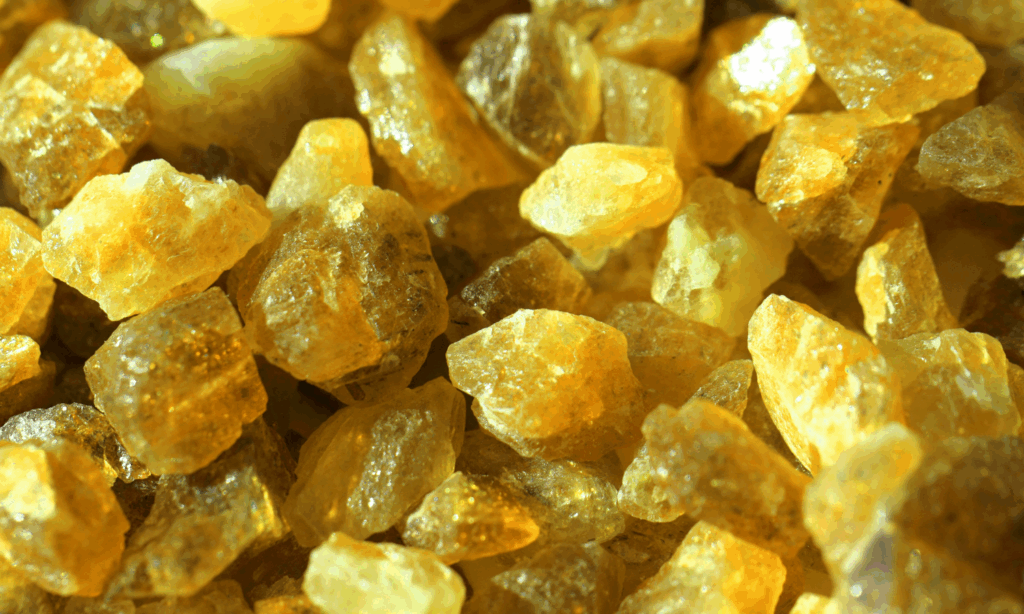
Urea Phosphate (UP)
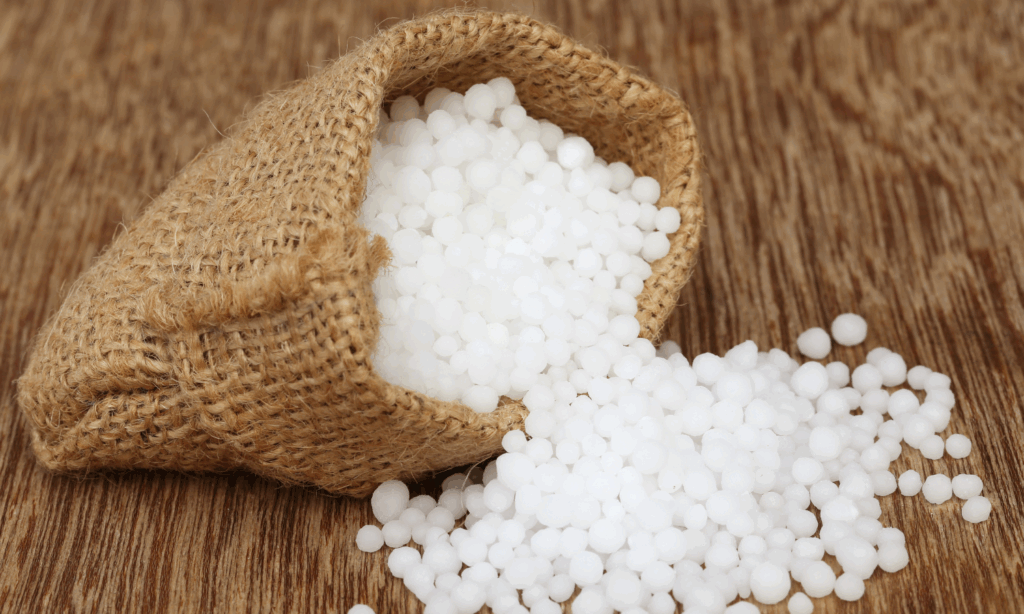
Potassium Nitrate (NOP)
Technical Mono-Ammonium Phosphate (MAP)